
Window Tinting Laws in South Africa 2026
Window Tint
Window Tinting Lawsin South Africa 2026
South African roads are greatly affected by the change in sunlight that tends to change slowly with the seasons.
In places like Nelspruit and in towns across Mpumalanga, that light can turn harsh in summer, warming car interiors quickly and testing the comfort of daily drives, and a little too bright in winter, blinding you at the worst time.
Many car owners wonder how to manage the heat and glare while staying firmly within the rules.
Window tinting laws in South Africa strike a careful balance between safety, visibility and personal comfort, and those rules remain relevant as we move through 2026.
The National Road Traffic Act, under Regulation 202, sets clear standards.
The windscreen must allow at least 70 percent visible light transmission (VLT) after any film is applied. For all other windows, including front side and rear, the minimum sits at 35 percent VLT.
These figures are measured according to SABS 1191 standards and apply to the combined effect of glass plus film. The rules aim to ensure drivers can see clearly, especially at night or in changing conditions, while allowing some protection from the sun.

Is 35% Tint Legalin South Africa?
35 percent VLT counts as the legal minimum for side and rear windows.
Anything darker fails to meet the requirement and risks a fine, an unroadworthy declaration or instructions to remove the film. Front side windows follow the same 35 percent threshold. Many owners choose exactly this level because it delivers noticeable heat and UV reduction without crossing the line.
Note that some online discussions mention possible updates or stricter enforcement starting in 2026, yet the core national standard drawn from the Road Traffic Act holds at 70 percent for the windscreen and 35 percent elsewhere. Local traffic officers in Mpumalanga use calibrated meters during stops or roadworthy checks, so compliance brings peace of mind rather than worry at the next checkpoint.
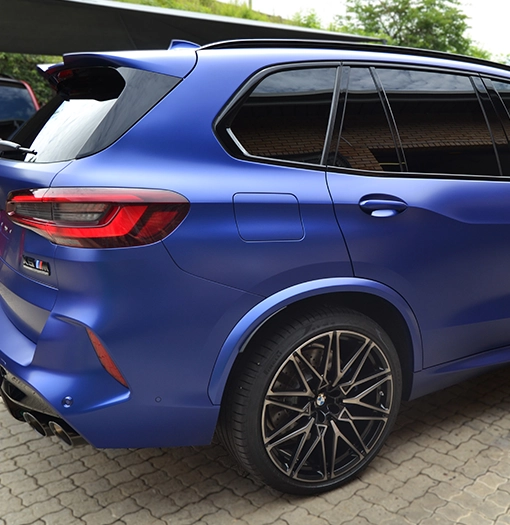
What Does35% Tint Look Like?
A 35 per cent tint is very much understated.
From the outside, the windows take on a subtle smoky quality that softens the view into the cabin while still allowing shapes and movement to remain visible.
Inside, everything is nicely filtered. Daylight is not as bright, reducing eye strain on those longer stretches between White River and Mbombela, yet night driving stays clear enough to see where you are going.
It is neither pitch dark nor barely there.
Think of it as a light layer of shade that keeps the car’s interior cooler and protects leather or fabric from fading. Quality ceramic or smash-and-grab films at this level often maintain excellent optical clarity, so the view out isn’t darkened.
How Much Does It Costto Put Smash and Grab Tint?
Smash and grab tint combines security with the benefits of standard tint.
The specialised film holds shattered glass in place, slowing potential break-ins and giving occupants a few precious extra moments to get to safety.
In the Lowveld area, prices for a full vehicle application on a standard sedan or hatchback typically start around R900 to R1500, depending on the exact shade chosen (often 35 per cent for legal compliance), vehicle size and film quality. Larger SUVs or bakkies may be slightly higher.
These figures reflect professional mobile fitment that is common in Nelspruit, where experts bring the service to the owner rather than requiring workshop visits.
Some of the factors that can influence the final cost include the number of windows treated, whether a top visor strip is added to the windscreen, and the inclusion of UV-blocking or heat-rejecting properties.
You should always request a personalised quote, as material choices affect both performance and longevity.
Why You Should Leaveit to the Professionals
Improperly applied film can bubble, peel or show uneven edges.
Skilled installers understand local conditions, from the intense Lowveld sun to occasional dust, and they will ensure the film bonds smoothly without compromising visibility or safety.
They also guide owners on which shades meet the exact legal thresholds, helping to avoid the agitation of a failed roadworthy test or an inconvenient roadside conversation.
A properly chosen tint can also improve the daily driving experience.
Reduced glare makes morning commutes a lot more comfortable. Lower interior temperatures mean less reliance on air conditioning, which can ease fuel use over time. And the added security layer from smash-and-grab film addresses a practical reality many South African drivers face.
Lowveld Smash and Grab brings local expertise right to doorsteps across Mbombela and the surrounding Mpumalanga areas. We focus on precise, high-quality fitment that respects the letter of the law while giving drivers all of the benefits of having the product in place.

Frequently Asked Questions Window Tinting Laws in South Africa 2026
What are the legal window tinting limits in South Africa in 2026?
The National Road Traffic Act requires a minimum 70% VLT on the windscreen and 35% VLT on all other windows.
Is 35% tint legal for front side windows in Mpumalanga?
Yes, 35% VLT remains the legal minimum for front side windows, provided the measurement meets SABS standards.
How dark is 35% window tint in real life?
It appears as a soft, smoky filter that reduces glare and heat while keeping good outward visibility during day and night driving.
How much does smash and grab tint cost in Nelspruit?
Prices for standard vehicles often begin from around R900, varying with vehicle size, film type and number of windows.
Can I add tint to my windscreen in South Africa?
Only a narrow visor strip is generally accepted; the main windscreen area must maintain at least 70% light transmission.


